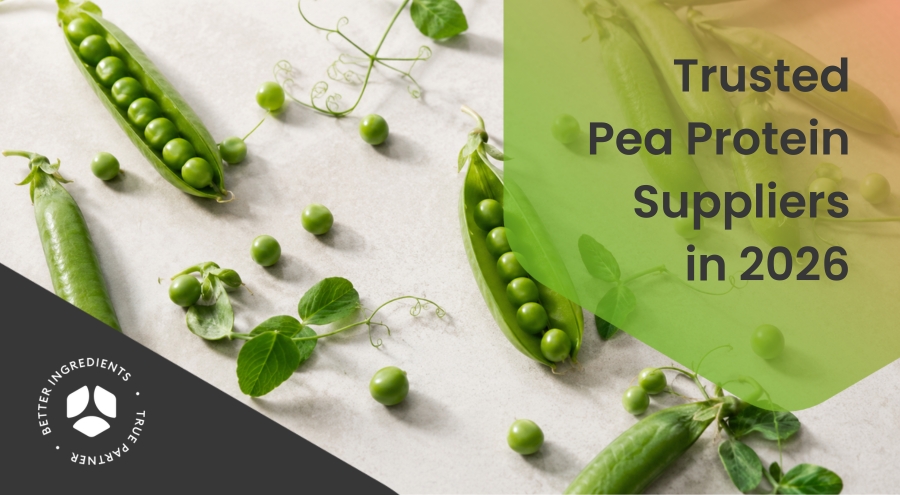
Pea Protein Sourcing Support for Food, Beverage, and Supplement Brands
Pea protein offers a versatile solution for plant-based beverages, powders, bars, snacks, meat alternatives, and functional foods. NURA supports manufacturers from ingredient selection through commercialization with reliable sourcing, samples, technical documentation, formulation and R&D guidance, and commercial supply planning
What Food Manufacturers Should Look for in a Pea Protein Supplier
When evaluating a pea protein supplier for food manufacturing, manufacturers should consider how the ingredient will perform in the finished application. Pea protein can vary in taste, texture, solubility, dispersibility, protein content, and functionality depending on the source and processing method.
A strong supplier should be able to support both the technical and commercial sides of the sourcing process.
Supply Reliability
Reliable supply is essential when sourcing a commercial pea protein ingredient. Manufacturers need confidence that their supplier can support development samples, production timelines, documentation requests, and future scale up needs.
A dependable pea protein distributor should help with ingredient availability, lead time expectations, lot to lot consistency, commercial planning, and ongoing supply communication.
Taste and Sensory Performance
Taste is one of the biggest challenges in plant-based protein formulation. Pea protein can sometimes carry earthy, bitter, beany, or grassy notes, depending on the ingredient source and application.
For products such as pea protein RTD beverages, protein shakes, powders, and bars, manufacturers should look for a supplier that can help identify options suited for neutral taste goals and provide guidance around flavor, sweetness, masking, texture, and mouthfeel.
Functionality and Application Fit
Not all pea protein ingredients perform the same way across applications. A pea protein that works well in a dry powder may not be the right fit for a ready to drink beverage or meat alternative.
Manufacturers should evaluate pea protein based on solubility, dispersibility, texture, water binding, emulsification, pH compatibility, heat stability, and processing conditions. The best supplier is one that can help match the ingredients to the product’s real world formulation needs.
Clean Label and Non-GMO Requirements
Many food and beverage brands source pea protein for plant-based vegan, clean label, or non-GMO pea protein positioning. Depending on the final product, manufacturers may need documentation related to allergens, certifications, nutrition, origin, or regulatory requirements.
A strong supplier should help confirm whether the ingredient aligns with the brand’s label, claims, market positioning, and quality and sourcing standards.
Why NURA Is a Trusted Pea Protein Supplier for Food Manufacturers
NURA supports manufacturers looking for plant-based protein ingredients that can be used across a wide range of commercial applications. As a B2B ingredient partner, NURA helps customers navigate pea protein sourcing while considering the needs of the finished product.
NURA can support manufacturers with:
- Formulation guidance
- Bulk pea protein supply
- Commercial ingredient sourcing
- Prototype development conversations
- Sample requests
- Specification and documentation support
- Application guidance
- Ingredient pairing recommendations
NURA works with food, beverage, and supplement brands developing protein beverages, protein shakes, dry blends, powders, nutrition products, bars, snacks, baked goods, meat alternatives, and functional foods.
Rather than treating pea protein as a one size fits all ingredient, NURA helps manufacturers evaluate ingredient fit based on taste goals, protein targets, processing conditions, label needs, and final product format.
Pea Protein Supplier Evaluation Checklist
The right pea protein supplier depends on the product application, processing requirements, label goals, and level of technical support needed. Manufacturers can use the following criteria when comparing potential suppliers and ingredient options.
Evaluation Area | What Manufacturers Should Ask |
Protein specifications | What protein levels, formats, origins, and grades are available? |
Taste and sensory | How does the ingredient perform for bitterness, beany notes, texture, and mouthfeel? |
Application fit | Has it been evaluated in RTDs, powders, bars, snacks, or meat alternatives? |
Processing performance | How does it perform under heat, shear, varying pH, or other manufacturing conditions? |
Quality and documentation | Are specifications, allergen statements, regulatory documents, certifications, and testing available? |
Supply reliability | What are the MOQ, lead time, availability, lot consistency, and scale-up capabilities? |
Technical support | Can the supplier assist with samples, prototypes, formulation challenges, and ingredient pairing? |
When to Choose NURA for Pea Protein Sourcing
RTD Beverages and Protein Shakes
RTD beverages and protein shakes are challenging applications because taste, solubility, mouthfeel, stability, and texture all matter. A successful beverage formulation requires the right protein ingredient and the right supporting system.
NURA can support manufacturers developing protein beverages by helping evaluate ingredient fit, sensory goals, and formulation strategy.
Dry Protein Powders
Pea protein is commonly used in dry protein powders, shake mixes, meal replacement powders, and nutrition blends. In these applications, dispersibility, flavor compatibility, texture, and protein content are key considerations.
NURA can help manufacturers align pea protein selection with serving size, flavor system, nutrition targets, and product positioning.
Protein Bars and Snacks
Protein bars and snacks require ingredients that support nutrition goals without compromising taste, chew, texture, or shelf stability. Pea protein can be used in bars, crisps, clusters, baked snacks, and other high-protein formats. For brands comparing pea protein with other vegan protein options, NURA can also help evaluate complementary ingredients such as yeast protein for blended protein systems.
Meat Alternatives
Pea protein is also widely used in plant-based meat alternatives because it can support protein content, texture, and plant-based positioning. For these applications, manufacturers may need to evaluate water binding, structure, particle size, texture, and compatibility with other plant proteins or hydrocolloids.
NURA can support pea protein sourcing for meat alternative products by helping identify ingredient options that align with the desired bite, texture, and finished product experience.
Choose a Pea Protein Supplier That Supports More Than Supply
NURA helps brands and manufacturers source high-quality pea protein while providing formulation guidance, technical documentation, and commercial supply support from product development through launch.
Contact NURA to request pea protein samples, specifications, documentation, and formulation support for your next plant-based protein product

 Back
Back